Akademie der bildenden Künste Wien
Thinking Art Globally – Enhancing Mobility for Underrepresented Groups
A targeted mobility initiative expanding access to international experiences in the arts worldwide for underrepresented student groups through short-term formats and inclusive support structures.
© Angelina Kratschanova
Objectives
The objective of this good practice is to make international mobility more inclusive and accessible to students who are underrepresented in traditional mobility schemes – such as students with financial constraints, caregiving responsibilities, chronic health conditions, or those engaged in part-time employment. This initiative directly supports the Academy’s strategic goal of fostering an inclusive, international learning environment and encouraging a global, decolonial perspective across disciplines. Key objectives include: Increasing the number of internationally mobile students in underrepresented study programmes (Scenography, Art Education, Conservation, Critical Studies) to at least 15% of graduates. Developing alternative, low-threshold mobility formats, such as Blended Intensive Programmes (BIPs), short-term internships, and project weeks. Targeted communication and information campaigns across all departments to raise awareness and participation. Promoting green mobility by incentivising sustainable travel methods (e.g. train, bus). Improving institutional frameworks for recognition, advising, and digitalisation to reduce bureaucratic obstacles. The initiative reflects a whole-institution approach to internationalisation as outlined in the 2024–2028 strategy. It also contributes to the long-term goal of fostering global citizenship and intercultural competence among all students – regardless of their background.
Background
This practice emerged from the Academy’s strategic reassessment of its internationalisation framework, undertaken in 2022–2023. Using the MINT Self-Evaluation Tool and a dedicated student survey, barriers to mobility were identified, especially for students who lack the financial, personal, or curricular flexibility for semester-long exchanges. Although over 50% of the student body is international, this does not automatically lead to equal access to outward mobility. The Academy recognised the need to unlock the full internationalisation potential of its diverse community by addressing hidden inequalities. This led to the development of a comprehensive, inclusive mobility programme embedded in the Internationalisation Strategy 2024–2028. The programme was co-designed in a participatory process involving leadership, departments, the International Office, and student representatives. The Academy actively supports the initiative by: Allocating staff and resources through the International Office and Welcome Center Strategically selecting partners for short-term formats to reduce travel time and cost Using Erasmus+ and national funding to provide additional financial support (including for green mobility) Promoting mobility through departmental events and outreach in underrepresented study areas The programme is part of a larger cultural shift toward equity, sustainability, and decolonial thinking in internationalisation.
(Implemented) Activities
To implement its objectives, the Academy has initiated a series of structural and communicative measures since 2023: • Blended Intensive Programmes (BIPs): Short-term formats combining virtual and physical components at partner institutions in Indonesia, Brazil, Chile, Argentina, and China. These formats offer flexible, low-threshold mobility with minimal administrative effort and are funded through Erasmus+ (KA131/KA171). Since 2023, more than 200 students have participated, over 80 of whom went abroad for the first time. • Targeted advising and outreach: Development of accessible informational materials (e.g., in plain language) and personalized advising for students with caregiving responsibilities, mental health challenges, or limited financial resources. • Faculty engagement: Organization of information events and workshops in collaboration with academic staff to highlight mobility opportunities in underrepresented study areas. • Support for climate-friendly travel: Provision of additional funding for train and bus travel, along with logistical support for planning and booking within BIP formats. • Strategic partnerships: Collaboration with academically relevant and easily accessible international institutions to implement joint short-term programmes. • Structured exchange programmes: Through its participation in the ASA network, the Academy enables fine arts students to complete tuition-free exchange semesters with free accommodation – a key mechanism to support long-term mobility for underrepresented groups. In 2023 and 2024, additional mobility projects were secured through International Credit Mobility, providing scholarships at partner universities in China, Israel, the USA, and Ghana. These measures support the Academy’s shift toward a holistic, inclusive, and sustainable approach to internationalisation.
Results
Already in the first year of implementation, the initiative achieved notable progress: • Increased participation: The number of students from underrepresented programmes taking part in international mobility doubled compared to the previous year – with significant growth in Scenography and Conservation. • Positive feedback: Participants expressed high satisfaction with the new short-term formats, citing flexibility, smooth organisation, and personalised support as key advantages. • Higher visibility: Institutional communication and outreach led to increased awareness among both students and faculty, resulting in a growing number of inquiries and self-initiated applications. • Long-term impact: An increasing number of students decide to pursue a full semester abroad after participating in a project week abroad. A successful example includes the project week at Universidad Torcuato Di Tella in Argentina, where 2 out of 4 participating students are now developing their final theses based on the topics explored during the programme. In the long run, this good practice contributes to educational equity, intercultural competence, and greater inclusion in international opportunities. It lays the groundwork for a sustainable, institution-wide internationalisation approach.
Lessons learned & transferability
The implementation of new mobility formats brought valuable insights: Low-threshold access: Short-term formats like Blended Intensive Programmes (BIPs) significantly lower the barrier for students who would otherwise not consider studying abroad. The combination of virtual preparation and a short physical stay abroad effectively builds confidence and sparks interest in further mobility. Targeted outreach: Many students from underrepresented groups are not reached by standard communication. Tailored information, personal advising, and engagement with academic departments motivate new target groups to participate. Faculty engagement: Involving teaching staff is crucial to embedding international formats into the curriculum. When faculty actively support mobility offers, student participation increases significantly. Administrative flexibility: Simplified procedures, clear information, and practical support enable smooth participation—especially for students with caregiving responsibilities, mental health challenges, or financial constraints. Follow-up support: Many students who participated in short-term programmes later applied for a full semester abroad. This confirms the formats’ potential as stepping stones for long-term mobility. A notable example is the project week in Argentina, where two of four students are writing their theses based on their experiences at Universidad Torcuato Di Tella. Ongoing challenges: Sustainable funding and further digitalisation of efficient administrative processes remain critical. Continued investment in staff development, cross-department coordination, and IT support is essential. Overall, the initiative shows that inclusive short-term mobility formats can trigger lasting changes in international participation, contributing to equitable and sustainable internationalisation.
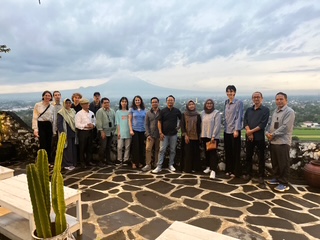
© Angelina Kratschanova
Internationalisation Award 2025
Target group(s)
- Students
Topics
- Counselling
- Digital mobility formats
Contact person(s)
Angelina Kratschanova
Further links
HMIS2030
To view more examples of good practice or examples from other universities, please click on the button below.